Source luxury metal crystal decorative vase for home, gift, and collection
Find 30 listings for the luxury metal crystal decorative vase suitable for home decoration, gifts, and collections. Compare specifications, customization options, and supplier details to identify the right product for your needs.
Key considerations
Products List


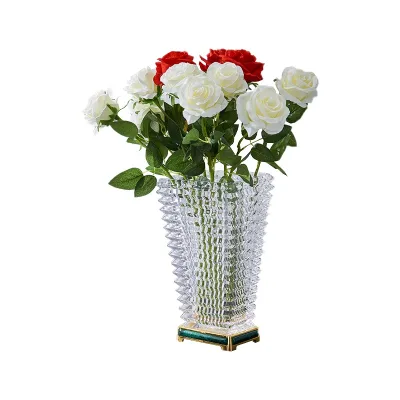
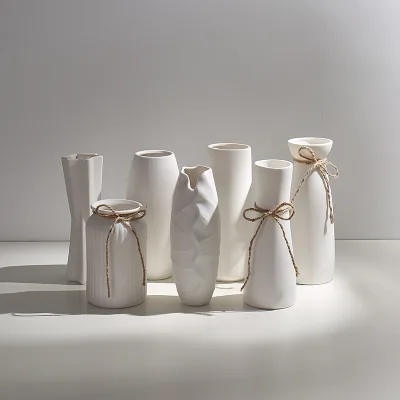


Comprehensive Sourcing Guide
Strategic Sourcing Guide for Luxury Metal Crystal Decorative Vases
The global market for luxury home decor has seen a significant surge in demand for high-end decorative vessels, with the "luxury metal crystal decorative vase" emerging as a pivotal category for interior designers and retail buyers. Sourcing these items requires a nuanced understanding of material composition, manufacturing processes, and supply chain reliability. While the core keyword suggests a specific blend of metal and crystal, the actual product landscape often includes glass, ceramic, and composite materials that mimic these high-end aesthetics. Buyers must navigate a complex array of specifications, from dimensions and glazing techniques to customization capabilities and certification standards. This guide provides a comprehensive framework for evaluating potential suppliers and ensuring that the final procurement aligns with strict quality and aesthetic requirements.
Understanding Material Composition and Technical Specifications
The foundation of any luxury vase lies in its material composition and technical specifications. In the current market, products labeled as "crystal" or "metal" often encompass a broader range of materials, including high-quality glass, blown glass, and cast metal alloys. The observed product data indicates a prevalence of glass-based items with specific processing methods such as "Blown" and "Casting." These processes are critical for achieving the desired transparency and structural integrity associated with luxury goods. For instance, the "Blown" process is often associated with creating organic, fluid shapes, while "Casting" allows for more intricate, detailed designs that may mimic metal textures.
Buyers must pay close attention to the specific product models and dimensions listed by suppliers. The market features a diverse range of sizes, categorized as "Small," "Medium," and "Large," with specific standard dimensions provided in various listings. For example, some models adhere to standards like "14.516cm H" or "2528cm H," while others are defined by diameter and height, such as "dia. 12x20cm." When sourcing luxury items, the exact dimensions are not merely logistical details but aesthetic necessities that determine how the vase fits into a specific interior design scheme. Furthermore, the "Glaze Type" is a crucial technical differentiator. Listings show variations ranging from "Transparent" glazes to "Color Glazed" and "Panited" finishes. A luxury buyer should verify that the glaze application is uniform and free of defects, as this directly impacts the perceived value and visual appeal of the piece.
Compliance, Certification, and Ethical Manufacturing Standards
In the realm of luxury procurement, compliance and ethical manufacturing are as important as the physical attributes of the product. The supply chain for decorative vases often involves multiple stages of production, from raw material extraction to final packaging, each requiring adherence to international standards. The available data highlights specific certifications that buyers should prioritize when evaluating suppliers. Notably, the presence of "ISO" certification is a strong indicator of a manufacturer's commitment to quality management systems. Additionally, "BSCI" (Business Social Compliance Initiative) and "FSC" (Forest Stewardship Council) audits are mentioned in the context of factory audits. These certifications suggest that the supplier adheres to social responsibility standards and sustainable sourcing practices, which are increasingly demanded by luxury brands and environmentally conscious consumers.
When assessing a supplier, buyers should request evidence of these certifications rather than accepting them as mere claims. The "Factory Audit" status provides insight into the working conditions and environmental impact of the manufacturing facility. For a luxury product, the assurance of ethical production adds a layer of brand integrity that can be leveraged in marketing. Furthermore, the "prod_standard" often includes specific dimensional tolerances, such as "14x21.5cm H" or "15826cm H." While these are physical specifications, they also reflect the precision of the manufacturing process. A supplier capable of maintaining tight tolerances is more likely to have robust quality control systems in place. Buyers should also verify if the supplier holds any specific industry standards relevant to glass or metal decor, ensuring that the product meets safety and durability requirements for its intended use.
Cost Drivers and Pricing Dynamics in the Luxury Segment
The pricing of luxury metal crystal decorative vases is influenced by a complex interplay of factors, including material costs, labor intensity, customization levels, and packaging requirements. The observed price range in the market spans from $0.1 to $300, a wide spectrum that reflects the diversity of product quality and complexity. At the lower end of this range, products may be mass-produced with simpler designs and standard packaging, such as "Bubble Bag+Polyfoam + Carton." In contrast, items at the higher end of the price spectrum likely involve intricate hand-finishing, premium materials, and specialized packaging like "White or Color Box" or "Brown Box."
Customization is a significant cost driver in this sector. The data indicates that "Customization" is available and that many products are "Customized" to specific client needs. This includes OEM (Original Equipment Manufacturer) and ODM (Original Design Manufacturer) capabilities, allowing buyers to alter designs, colors, and logos. The "Logo Craft" options, such as OEM/ODM, suggest that branding can be integrated into the product, which adds value but also increases production costs. Additionally, the "Type of Manufacturer" being listed as "OEM" or "ODM" implies that the supplier has the flexibility to adapt to specific design requirements, which often comes at a premium.
Buyers should also consider the "prod_packing" as a cost factor. While standard cartons are common, luxury items often require more elaborate packaging to protect the fragile glass or crystal and to enhance the unboxing experience. The transition from simple "Carton" packaging to "Brown Box" or "White or Color Box" can significantly impact the final unit cost. Furthermore, the "MOQ" (Minimum Order Quantity) ranges from 1 to 10,000 units. Higher MOQs typically result in lower per-unit costs due to economies of scale, but they also require a larger upfront investment. Buyers must balance their budget constraints with their inventory needs to optimize the cost structure.
Typical Applications and Usage Scenarios
The versatility of luxury decorative vases makes them suitable for a wide array of applications, ranging from residential interiors to commercial spaces and gift-giving occasions. The product data highlights several key usage categories, including "Decoration," "Decorative," "Gift," "Collection," and "Home." These applications dictate the design requirements and material choices. For residential use, vases often need to be "Eco-Friendly" and feature a "Modern" or "European" style to complement contemporary or classic interior designs. The "Style" attribute, which includes "Luxury," "Fashion," and "European," plays a crucial role in matching the product to the target market's aesthetic preferences.
In the commercial sector, such as hotels, restaurants, and corporate offices, vases serve as statement pieces that enhance the ambiance. The "Usage" as "Gift" suggests that these items are often packaged in a way that makes them ready for gifting, with features like "White or Color Box" adding to their appeal. The "Age" attribute, described as "Everyday" or "Modern," indicates that these vases are designed for long-term use rather than temporary decoration. This durability is essential for luxury products, which are expected to withstand daily handling and maintain their aesthetic appeal over time.
Buyers should also consider the "Feature" of the product, such as being "Eco-Friendly," which is increasingly important for consumers and businesses aiming to reduce their environmental footprint. The "Suitable for" attribute, listed as "Universal" or "Home," suggests that these vases are designed to fit a wide range of settings, making them versatile additions to any collection. Understanding these application scenarios helps buyers select the right products for their specific market segments and ensures that the procurement aligns with customer expectations.
Supplier Evaluation and Manufacturing Capabilities
Evaluating a supplier for luxury metal crystal decorative vases requires a thorough assessment of their manufacturing capabilities, technical expertise, and track record. The data indicates that suppliers offer "Development Tech" in the form of ODM, allowing them to create custom designs from scratch. This capability is essential for buyers looking to differentiate their product lines. The "Type of Manufacturer" being "OEM" or "ODM" suggests that the supplier can handle both private labeling and full design development. Buyers should verify the supplier's experience in handling similar projects and their ability to meet specific design requirements.
The "Process" used in manufacturing, such as "Blown," "Casting," or "Machine Made," is another critical factor. Each process has its own advantages and limitations. "Blown" glass is often associated with unique, handcrafted qualities, while "Machine Made" items may offer greater consistency and lower costs. Buyers should request samples to evaluate the quality of the finishing and the precision of the manufacturing process. Additionally, the "prod_packing" methods, such as "1PCS Per Box, 4PCS Per Carton, by Ocean," indicate the supplier's logistics capabilities and their ability to handle international shipping.
Suppliers located in "Guangdong, China" or generally "China" are common in this sector, offering a robust supply chain and competitive pricing. However, buyers should not rely solely on location but should assess the supplier's overall quality control systems and their ability to maintain consistency across large orders. The "Standard" of the factory, including audits like "BSCI" and "FSC," provides additional assurance of the supplier's reliability and ethical standards. Buyers should conduct due diligence by requesting references, visiting the facility if possible, and reviewing past performance data to ensure the supplier can meet their specific needs.
Quality Control and Long-Term Procurement Considerations
Ensuring consistent quality is paramount when sourcing luxury decorative vases. The "Quality Control" process should be integrated into every stage of production, from raw material inspection to final packaging. Buyers should establish clear quality standards based on the "prod_standard" dimensions and "Glaze Type" specifications. Regular inspections, including pre-shipment inspections, are essential to identify and rectify any defects before the products reach the market. The "Feature" of being "Eco-Friendly" should also be verified through third-party testing to ensure compliance with environmental regulations.
Long-term procurement considerations involve building a sustainable relationship with the supplier. This includes negotiating favorable terms for "MOQ," lead times, and pricing. The observed "MOQ" range of 1 to 10,000 units offers flexibility, but buyers should aim for a balance that minimizes inventory costs while ensuring a steady supply. The "Customization" capabilities of the supplier should be leveraged to create unique products that stand out in the market. Additionally, buyers should consider the "Development Tech" offered by the supplier, such as ODM, to continuously innovate and adapt to changing market trends.
In conclusion, sourcing luxury metal crystal decorative vases requires a strategic approach that balances technical specifications, compliance, cost, and supplier capabilities. By carefully evaluating these factors, buyers can secure high-quality products that meet the demands of the luxury market and build a strong, sustainable supply chain. The key lies in maintaining a rigorous quality control process and fostering a collaborative relationship with suppliers who share a commitment to excellence and innovation.
FAQs
What materials are used for luxury metal crystal decorative vases?
Glass is the primary material used for these decorative vases, often processed through blowing or casting techniques. While the category suggests metal and crystal, the actual products frequently utilize high-quality glass with transparent or color glazed finishes to mimic luxury aesthetics.
Can buyers request custom designs for these decorative vases?
Yes, customization is available for these vases, including OEM and ODM development technologies. Buyers can request specific logos, colors, and dimensions, with manufacturers offering services to create customized products that meet unique design requirements.
Which certifications do manufacturers typically hold for these products?
Manufacturers often hold ISO certification and undergo factory audits for BSCI and FSC standards. These certifications indicate adherence to quality management systems and ethical manufacturing practices, ensuring the products meet international compliance and sustainability requirements.
How are these vases packaged for international shipping?
Products are typically packed in bubble bags with polyfoam and cartons, or in brown and white color boxes. Specific packing configurations may vary, such as one piece per box with four pieces per carton, designed to protect fragile glass during ocean freight.
What is the typical price range for these decorative vases?
The observed price range spans from 0.1 to 300 USD depending on size, customization, and packaging. Lower prices often correspond to mass-produced items with standard packaging, while higher prices reflect intricate designs and premium protective packaging solutions.
Where are these luxury vases typically manufactured?
These vases are primarily manufactured in Guangdong, China, or generally within China. This region offers a robust supply chain and competitive pricing, with suppliers capable of handling both OEM and ODM production for global markets.
What are the common sizes available for these vases?
Vases are available in small, medium, and large sizes with specific standard dimensions like 14.5 by 16 cm or 25 by 28 cm height. Some models are defined by diameter and height, such as 12 by 20 cm, catering to various interior design needs.